
 See Our Latest Article on HelloNation
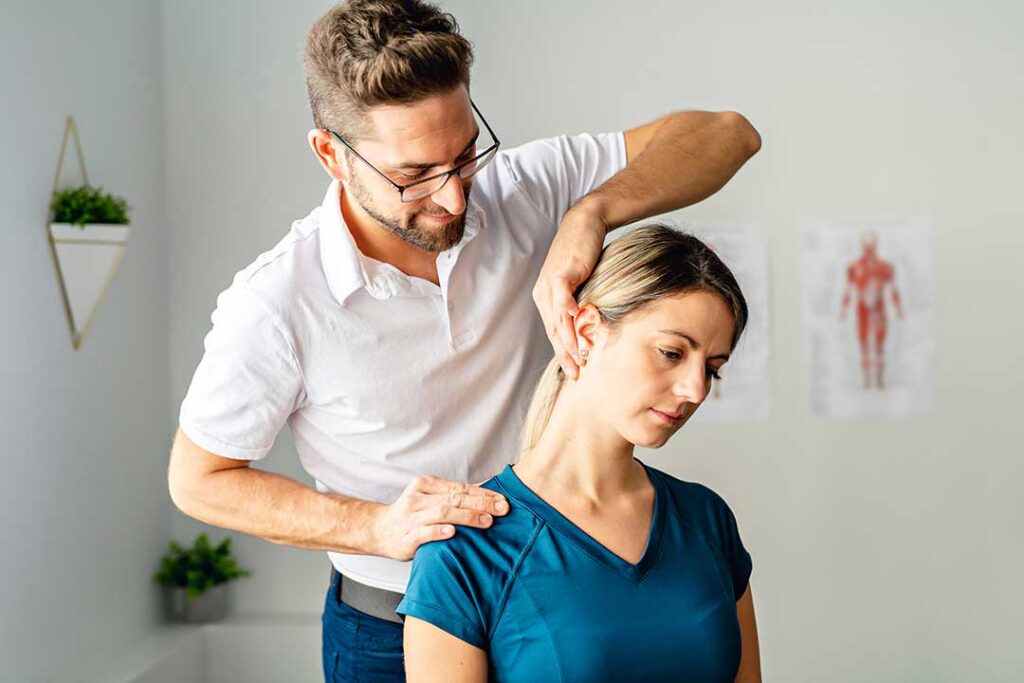
Can Chiropractic Adjustments Help Relieve PMS Symptoms?
There is growing interest in whether chiropractic care can play a supportive role in easing symptoms associated with premenstrual syndrome (PMS). While research is ongoing, some residents of Kent, NY have found relief through chiropractic adjustments as part of a broader approach to managing monthly discomfort.
What Is PMS and Why Do Symptoms Vary?
Premenstrual syndrome covers a range of physical and emotional symptoms that many women experience days or weeks before menstruation. Symptoms may include:
- Cramps or abdominal pain
- Headaches or migraines
- Back pain
- Mood changes, such as irritability or sadness
- Fatigue and difficulty sleeping
Severity and symptom patterns can vary widely—even among people in the same household. Local climate factors, such as cold winters in Kent, may heighten things like muscle tension or seasonal mood changes, making PMS feel more pronounced for some area residents.
How Might Spinal Health Affect PMS Experiences?
Chiropractic practices focus on the alignment and movement of the spine and nervous system. The concept is that spinal misalignments, also called subluxations, may interfere with the body’s natural ability to function optimally.
The nervous system plays a key role in hormonal regulation and pain response, both central to PMS. For example:
- If spinal tension or misalignment puts pressure on nerves in the lower back or pelvis, it may aggravate menstrual cramps or back pain.
- Disrupted nerve signals could potentially influence hormone balance, although this remains a debated topic in scientific circles.
While definitive scientific consensus is lacking, some individuals in Kent report less pelvic discomfort or lower back pain after a course of adjustments.
What Do Studies Say About Chiropractic Care and PMS?
Clinical research on chiropractic treatment for PMS is still emerging. Existing studies are generally small but show promising signs:
- Several small trials and case reports suggest that spinal adjustments may reduce lower back pain, headaches, and certain mood-related symptoms connected with PMS.
- Other studies highlight improvements in overall pain levels and quality of life, though the cause may involve a general increase in well-being rather than direct hormonal changes.
Importantly, chiropractic adjustments are typically considered low-risk when provided by a licensed professional, especially for common PMS symptoms like muscular tension and headaches. Still, anyone with underlying health issues or unusual symptoms should speak with their primary care provider to rule out other causes.
Which PMS Symptoms Are Most Likely to Respond?
Not all PMS symptoms are equally likely to improve through chiropractic care. Residents who have seen benefits commonly report changes in:
- Lower back tension: Often described as a dull, ongoing ache that worsens before menstruation.
- Pelvic pain: Tension or discomfort in the hips and lower abdomen may ease if the lower spine is aligned and moving properly.
- Headaches or migraines: Spinal manipulation can reduce headache frequency and severity for some people.
- Sleep disturbances: Some individuals feel more relaxed and sleep better following adjustments, which can indirectly improve mood and fatigue.
Symptoms tied more directly to hormonal fluctuations, such as bloating or breast tenderness, generally show less response to manual therapies.
How Do Chiropractic Adjustments Fit into Broader PMS Management?
Chiropractic care is one option in a toolkit for managing PMS symptoms. Many area households find success by combining approaches, which may include:
- Regular moderate physical activity—like walking or yoga during milder Kent weather
- Mindful nutrition, such as reducing caffeine and salt
- Stress management strategies, particularly important during long, gray winters
- Applying heat to sore muscles or lower back
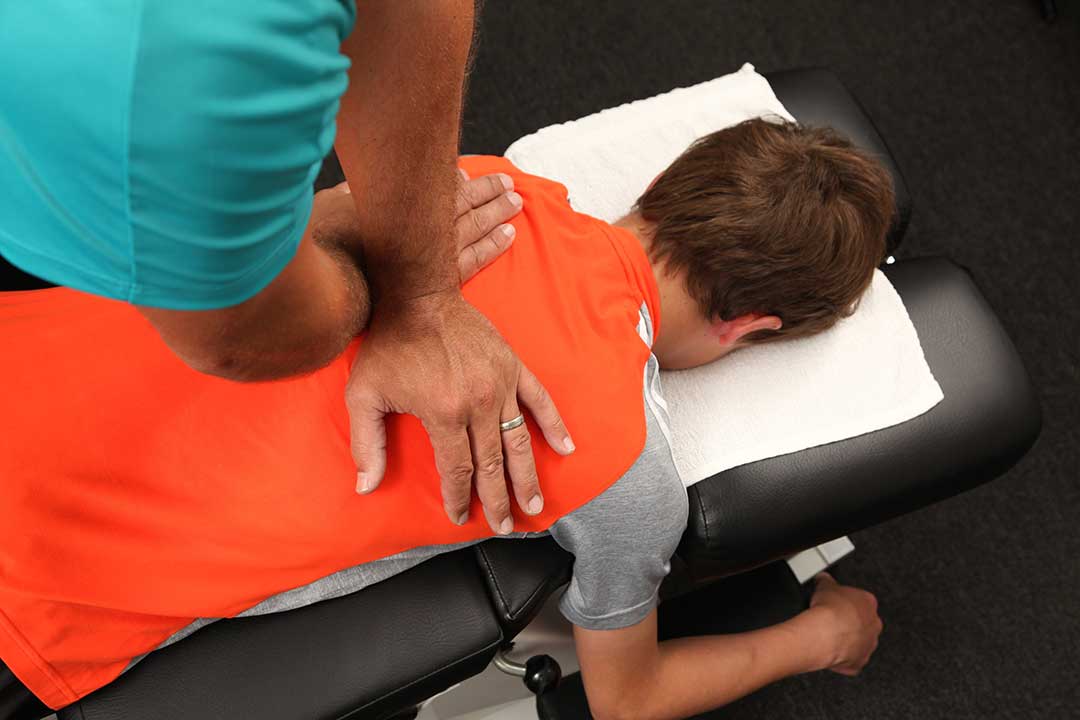
A chiropractor may also suggest stretches or exercises to support spinal mobility and core stability, both of which can be done at home and may offer additional relief.
Are There Risks or Limitations to Be Aware Of?
Chiropractic adjustments are typically very safe when performed by a well-trained, licensed practitioner. Still, adjustments are not appropriate for every individual or symptom. Consider the following:
- Conditions like severe osteoporosis, spinal fractures, or undiagnosed pelvic pain require medical evaluation before beginning manual therapy.
- Adjustments should never be attempted at home or by untrained individuals.
Open communication with all healthcare professionals can help ensure that chiropractic care is coordinated with other treatments or evaluations as needed.
Common Misconceptions in the Community
Some local myths linger about chiropractic care and PMS:
- “Adjustments cure PMS.” Adjustments may reduce certain symptoms, but they do not cure the underlying hormonal patterns that cause PMS.
- “You have to keep going forever.” While some people pursue regular care, others use chiropractic adjustments occasionally as symptoms fluctuate through the year.
- “Chiropractic and primary care can’t work together.” Many households combine manual therapy with conventional medical advice for the best results.
Practical Considerations for Kent Residents
Residents interested in exploring whether chiropractic adjustments might provide relief from PMS symptoms often consider factors unique to life in the area:
- Seasonal changes may influence when symptoms feel worst, especially when movement or outdoor activity declines in winter.
- Accessibility—some find it easier to integrate chiropractic visits with other wellness habits like walking local trails or stretching at home.
- Open discussion and careful monitoring of any changes in symptom patterns helps ensure the approach remains both safe and effective.
Chiropractic adjustments may offer one avenue of support for those seeking relief from certain PMS-related discomforts. Combining it with self-care and medical guidance can help area residents find what works best for their individual needs.
