
 See Our Latest Article on HelloNation
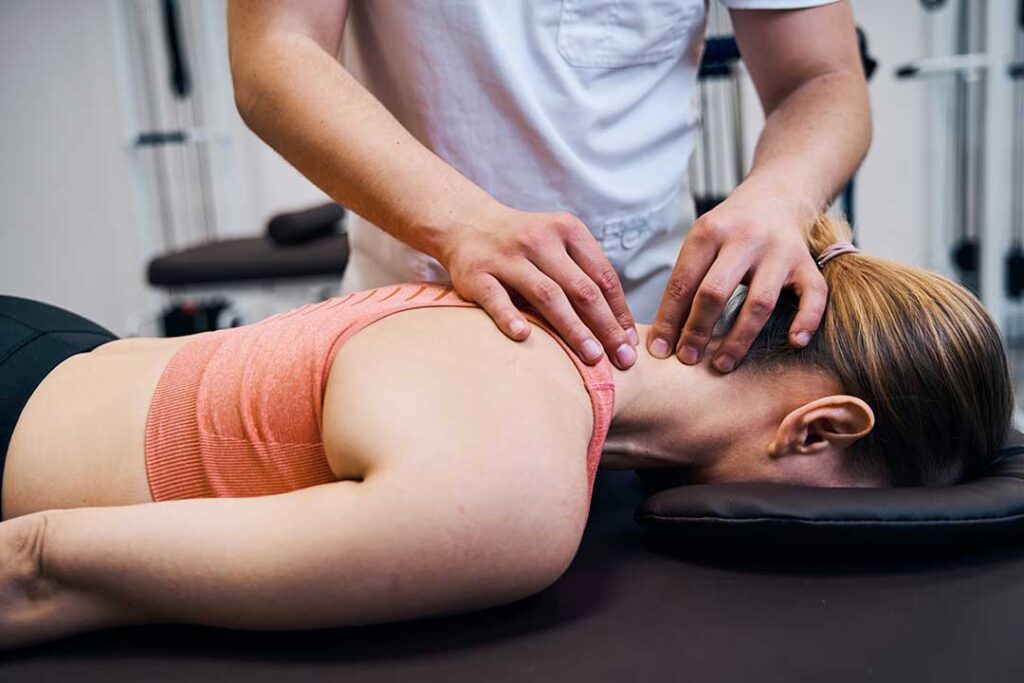
People in Kent, NY may consider chiropractic care or massage therapy when back pain, neck tension, stiffness, or activity-related soreness affects daily life. Although both approaches use hands-on techniques, they are not interchangeable. Chiropractic care generally focuses on joint and spinal movement, while massage therapy primarily addresses muscles and other soft tissues.
The right choice depends on the source of discomfort, the symptoms involved, medical history, and whether the goal is movement assessment, muscle relaxation, short-term pain relief, or support during recovery.
What is the main difference between chiropractic care and massage therapy?
Chiropractic care typically evaluates how joints, especially spinal joints, move and may use manual adjustments, mobilization, exercise guidance, or other supportive techniques. Massage therapy uses pressure, stroking, kneading, and other methods to work on muscles and soft tissues.
A simple way to distinguish them is:
- Chiropractic care: Primarily concerned with joints, spinal motion, movement patterns, and neuromusculoskeletal function.
- Massage therapy: Primarily concerned with muscles, connective tissue, circulation, relaxation, and soft-tissue discomfort.
There can be overlap. A chiropractor may use soft-tissue techniques, and a massage therapist may work around areas near the spine. However, a massage therapist does not perform chiropractic spinal adjustments, and chiropractic care is not simply a form of massage.
What happens during a chiropractic visit?
A chiropractic visit commonly begins with questions about symptoms, previous injuries, health conditions, medications, activity levels, and daily limitations. A physical examination may include observing posture, testing joint motion, and checking for signs involving nerves or muscles.
Treatment may include:
- Manual spinal or joint manipulation
- Gentle mobilization
- Soft-tissue work
- Stretching or strengthening exercises
- Advice about movement, lifting, sleep positions, or activity modification
Spinal manipulation uses a controlled force directed at a joint. Some people experience temporary soreness, stiffness, or fatigue afterward. MedlinePlus notes that a careful history and examination are used to identify conditions in which manipulation may not be appropriate. ([medlineplus.gov](https://www.medlineplus.gov/ency/patientinstructions/000416.htm?utm_source=openai))
Chiropractic care is often considered for mechanical back pain, certain types of neck discomfort, restricted joint movement, and musculoskeletal problems. It is not intended to replace emergency evaluation, treatment for serious disease, or care for symptoms caused by conditions outside the musculoskeletal system.
What happens during a massage therapy session?
Massage therapy usually involves hands-on pressure applied to muscles and other soft tissues. The person receiving treatment may remain clothed or partially covered, depending on the type of massage and personal preference. The pressure may range from light and relaxing to firmer work intended to address localized tension.
Common goals include:
- Easing muscle tightness
- Reducing the feeling of soreness after physical activity
- Promoting relaxation
- Supporting comfortable movement
- Managing stress-related tension
- Temporarily reducing discomfort in areas such as the shoulders, lower back, or legs
Massage does not realign bones or diagnose spinal disorders. Relief may result from reduced muscle guarding, improved comfort with movement, relaxation, or changes in how pain is perceived. Research summarized by the National Center for Complementary and Integrative Health suggests that massage and spinal manipulation may provide some benefit for certain types of low-back pain, although evidence varies by condition and the expected benefit is generally modest. ([nccih.nih.gov](https://www.nccih.nih.gov/health/low-back-pain-and-complementary-health-approaches-what-you-need-to-know?utm_source=openai))
Which approach may fit common symptoms?
Neither option is automatically better for every person. The nature of the symptoms provides a more useful starting point than the name of the treatment.
Massage therapy may be more suitable to discuss when:
- Muscles feel tight, tired, or overworked
- Discomfort follows gardening, home maintenance, exercise, or prolonged sitting
- Stress contributes to shoulder or jaw tension
- The main goal is relaxation and short-term soft-tissue comfort
- There is no unexplained numbness, weakness, or rapidly worsening pain
Chiropractic evaluation may be more relevant when:
- A joint feels restricted or difficult to move
- Back or neck pain is linked to certain movements or positions
- Symptoms involve a combination of joint stiffness and muscle guarding
- A person wants movement assessment and exercise guidance as part of care
- Pain affects lifting, walking, turning, or other daily activities
These are general distinctions, not diagnoses. A person can have both muscle tightness and joint-related pain, and some people use massage and chiropractic care at different stages of recovery.
Can chiropractic care and massage therapy be used together?
They can sometimes be complementary, but combining treatments should be based on the individual situation rather than the assumption that more treatment is always better. For example, soft-tissue work may help someone tolerate movement more comfortably, while exercise or joint-focused care may address limitations that massage alone does not change.

It is useful to keep track of what changes after each approach. Relevant observations include:
- Whether pain improves, worsens, or stays the same
- How long any relief lasts
- Whether movement becomes easier
- Whether new symptoms appear
- Whether daily activities become more manageable
Clear communication matters when more than one provider is involved. Each provider should know about significant diagnoses, recent injuries, surgery, medications, blood-thinning drugs, osteoporosis, pregnancy, and other conditions that may affect safety.
Are both treatments safe?
Both approaches are generally considered low risk for many healthy adults when used appropriately, but neither is risk-free. Massage may cause temporary soreness or bruising, particularly after deeper pressure. Extra caution may be needed with blood-clotting problems, fragile skin, active infection, certain vascular conditions, recent surgery, or unexplained swelling.
Spinal manipulation can also cause temporary soreness or stiffness. Neck manipulation deserves particular care because rare but serious complications have been reported. A person should discuss relevant medical history and symptoms before any neck-directed technique. ([medlineplus.gov](https://www.medlineplus.gov/ency/patientinstructions/000416.htm?utm_source=openai))
Urgent medical evaluation is more appropriate than routine hands-on care for symptoms such as:
- Sudden or progressive weakness
- New loss of bladder or bowel control
- Numbness in the groin or inner thighs
- Fever with severe back pain
- Major pain after a fall or crash
- Unexplained weight loss with persistent pain
- Chest pain, shortness of breath, or symptoms suggesting a medical emergency
What should local residents consider before choosing?
Daily routines and seasonal conditions can influence muscle and joint complaints. In Kent, snow removal, slippery walking surfaces, cold-weather stiffness, long periods indoors, gardening, yard work, and home projects may all contribute to temporary soreness. Those circumstances do not determine which treatment is appropriate, but they can help explain when symptoms began and what movements aggravate them.
Before receiving care, consider asking:
- What body area is being treated?
- What is the purpose of the technique?
- What symptoms should be reported immediately?
- Are there movements or activities to avoid temporarily?
- What self-care or exercises are appropriate?
- How will progress be judged?
The most useful choice is usually the one that matches the suspected source of discomfort, includes appropriate safety screening, and supports reasonable expectations. Chiropractic care and massage therapy can both have a role in managing some musculoskeletal symptoms, but neither should be viewed as a universal solution for every type of pain. ([nccih.nih.gov](https://www.nccih.nih.gov/health/low-back-pain-and-complementary-health-approaches-what-you-need-to-know?utm_source=openai))
