
 See Our Latest Article on HelloNation
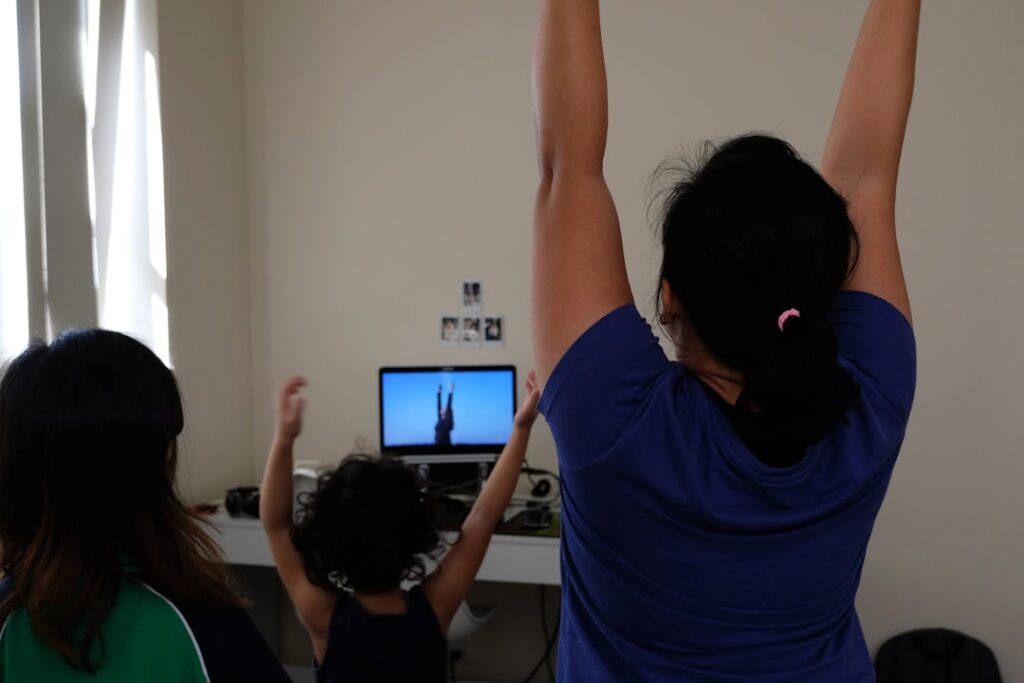
As families across Kent, NY, get ready for each new school year, parents and caregivers often focus on academic supplies, sports registration, and after-school activities. Yet, one of the most crucial aspects for student health is often overlooked: ergonomics. Proper ergonomics for children and students not only supports healthy growth but helps prevent pain, poor posture, and even long-term injury.
This blog post will explore practical ergonomic tips for students and children, tailored to the unique lifestyle and climate of Kent, NY. Whether your child learns at home, attends Kent Primary or Carmel High School, or enjoys the region’s beautiful outdoor spaces, these strategies will help foster healthy habits for life.
Why Ergonomics Matter for Kids
Children’s bodies are still developing, and habits formed during these years can affect musculoskeletal health for decades. With remote learning remaining common or homework time increasing, students often spend hours seated at desks, on couches, or hunched over tablets. The right ergonomic setup reduces the risk of:
- Back and neck pain
- Headaches
- Eye strain
- Poor posture and future spinal issues
By making small changes at home or in classrooms, Kent families can make a big difference in their children’s comfort and wellbeing.
Setting up an Ergonomic Study Space
Kent, NY homes vary from historic farmhouses to modern builds near Lake Carmel, but every family can create a comfortable, healthy study zone for their student. Here’s how:
1. Choose the Right Chair and Desk
- The chair should support the natural curve of the spine and allow feet to rest flat on the floor or on a footrest.
- The desk height should let elbows bend about 90 degrees when typing or writing, with shoulders relaxed.
- If sharing a kitchen table or multipurpose space, use a seat cushion and stack books as a footrest if needed.
2. Monitor Placement Matters
- Screens, whether laptops or tablets, should be at eye level to discourage slouching. Consider a stack of books, a sturdy box, or an adjustable stand.
- For Kent students using hand-me-down computers or school-issued Chromebooks, a Bluetooth keyboard and mouse can help adjust screen height without strain.
3. Limit Backpack Strain
Kids in Kent often trek to and from school bus stops or after-school care with heavy backpacks. A few guidelines:
- Backpacks should weigh no more than 10-15% of a child’s body weight.
- Use both shoulder straps and adjust them to keep the pack close to the back.
- Choose backpacks with wide, padded straps and a padded back.
- Pack only essential items each day and use lunchboxes or totes for extras.
Importance of Breaks and Movement
The rural charm and natural beauty of Kent, NY—whether it’s a walk along Lake Gleneida or a playground break at Ryan’s Field—make it easy to incorporate movement throughout the day.
- Encourage your child to take a movement break every 30-45 minutes: stand up, stretch, march in place, or walk outside.
- Change positions frequently. Switch from sitting to standing at a counter or try homework outside on a picnic blanket.
- For younger kids, mixing learning with movement (like “spelling jumping jacks” or math hopscotch) can boost both posture and learning.
Lighting, Screen Time, and Eye Health
With Kent’s snowy winters and bright summer days, lighting can vary significantly in local homes and classrooms:
- Position desks near natural light if possible, but avoid screen glare from windows.
- Use a desk lamp with soft, even lighting for late-night study sessions.
- Remind students to follow the 20-20-20 rule: every 20 minutes, look at something 20 feet away for at least 20 seconds to reduce eye strain.
- Balance screen use with offline activities, especially when living room rec rooms or bedrooms become both classroom and entertainment space.

Ergonomics for Homework, Arts, and Devices
Kent’s active families know that study time isn’t just about textbooks—it includes drawing, crafting, and technology use, too.
- For arts and crafts, set up a table at a height where elbows are comfortably supported, and supply easy-to-reach bins to prevent reaching or twisting.
- When using tablets, avoid lying on stomachs or slouching on sofas. Tablet stands and adjustable holders help keep devices at eye level.
- If using a smartphone, teach children to hold the device at chest level, rather than looking down in their laps.
Community Resources and Local Activities
In Kent, balancing study with fresh air and physical activity is easy thanks to local parks, community centers, and lake access. Make the most of the area’s resources:
- Schedule regular walks, bike rides, or time outdoors each week.
- Encourage students to join community sports at Carmel Sports Club or group activities at the Kent Public Library’s kids’ programs.
- Stay connected with local parents for tips on ergonomic study setups, especially during community events and parent-teacher meetings.
When to Seek Professional Help
Even with the best ergonomic setup, some children may still complain of recurring aches or difficulty adjusting. Watch for signs such as:
- Persistent back, neck, or shoulder pain
- Numbness or tingling in arms or hands
- Headaches after screen use
- Difficulty maintaining good posture
A chiropractor or pediatrician in Kent, NY, familiar with local children’s needs, can assess your child’s posture and recommend strategies tailored to their health, lifestyle, and growth patterns.
Conclusion
Supporting your child’s learning journey in Kent, NY starts with nurturing healthy habits at the desk and beyond. By focusing on good ergonomics, regular movement, and community resources, you’ll give your child the foundation for lifelong spinal health and comfort—whether they’re busy with homework, reading by Lake Carmel, or exploring the outdoors.
Begin today with these ergonomic changes, and give your student the best start toward both academic and physical wellbeing.
