
 See Our Latest Article on HelloNation
Living in the scenic area of Kent, NY offers plenty of opportunities for outdoor enjoyment—from kayaking on Lake Carmel to hiking in the nearby forests. Yet, whether you’re tending to your yard, working at a desk, or leading an active lifestyle, there is one health condition you can’t afford to overlook: nerve compression. Recognizing the early warning signs is essential for maintaining your wellbeing and enjoying all Kent has to offer.
Understanding Nerve Compression
Nerve compression, sometimes referred to as a "pinched nerve," occurs when surrounding tissues—like bones, cartilage, muscles, or tendons—apply excessive pressure on a nerve. This pressure disrupts the nerve’s ability to function and can lead to a range of symptoms, from mild tingling to debilitating pain.
Why Kent, NY Residents Are at Risk
Kent’s local lifestyle can invite unique risk factors for nerve compression:
- Outdoor Activities: Kayaking, hiking, and gardening are common here, but repetitive motions and awkward postures can stress nerves—especially in the neck, lower back, wrists, and elbows.
- Cold Winters: Chilly temperatures can make muscles stiff and more prone to tightness, increasing risk during routine winter chores like shoveling snow.
- Commuting: Many Kent residents travel to nearby cities for work, often sitting for extended periods. Prolonged sitting can compress nerves in the lower back or legs.
Common Early Warning Signs of Nerve Compression
Recognizing the early signs of nerve compression can prevent larger health issues down the road. Below are the most common symptoms to watch for:
1. Persistent Tingling or "Pins and Needles"
This sensation, known as paresthesia, is a classic early sign. It often starts subtly in the fingers, toes, arms, or legs—especially after repetitive activities like raking leaves or shoveling. If the tingling doesn’t fade after you shift positions or take a break, it’s time to take it seriously.
2. Numbness in Specific Areas
Numbness, or a loss of sensation, can occur anywhere along the nervous pathway. Residents working on computers, for example, might notice numbness in the hands (a sign of carpal tunnel syndrome). Gardeners may feel it in the feet or legs, particularly from prolonged kneeling or squatting.
3. Unexplained Muscle Weakness
Nerve compression can lead to weakness in the affected muscles. Perhaps you have trouble gripping your morning coffee mug, or your legs feel unsteady after walking up Mount Nimham. When simple tasks become challenging without clear reason, nerve compression could be the culprit.
4. Sharp, Burning, or Radiating Pain
Compressed nerves can send pain signals that travel from your spine into your arms, legs, or hands. This pain may feel sharp or burning, and it often worsens at night or after activity. For Kent residents who split wood or carry heavy items, pay attention to any spreading pain after these chores.
5. "Falling Asleep" Sensation
If you’re frequently experiencing limbs “falling asleep,” especially if it doesn’t resolve with movement, it could indicate ongoing nerve pressure rather than just temporary circulation issues. This is common after long car rides—a typical occurrence for those commuting from Kent to NYC.
Recognizing Risk Factors Unique to Kent, NY
The rhythm of everyday life in Kent poses certain risks, but being aware can help:
- Frequent Shoveling in Winter: Repetitive bending, lifting, and twisting can compress nerves in your lower back.
- Regular Use of Yard Equipment: Vibrations from lawnmowers or chainsaws may stress nerves in the wrists and elbows.
- Active Leisure: Activities like cycling or water sports can compress nerves in the groin or hips if posture isn’t maintained.
- DIY Home Maintenance: Unaccustomed physical tasks, from fixing fences to carrying firewood, can put undue pressure on nerves and muscles.
What to Do if You Notice the Warning Signs
Ignoring early symptoms can lead to chronic pain or even permanent nerve damage. Here’s what you can do:
- Take Breaks: Change positions often and stretch, whether you’re gardening or at a desk.
- Practice Good Posture: Keep your spine in alignment, especially while sitting for long periods or lifting heavy objects.
- Use Ergonomic Tools: This is especially important for DIY and gardening projects—tools designed for comfort can reduce risk.
- Stay Active: Gentle exercises like walking or swimming can keep muscles flexible and strong.
- Seek Professional Assessment: If symptoms persist for more than a few days, a chiropractic or medical evaluation is essential.
How a Chiropractor Can Help
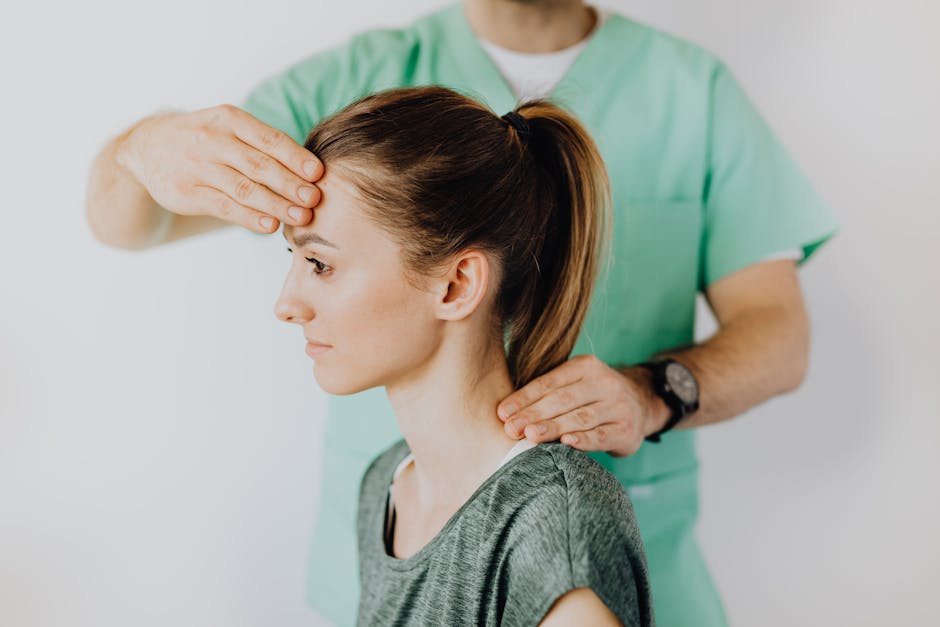
A chiropractor can identify the underlying cause of your symptoms through a detailed examination. Treatment might involve gentle spinal adjustments, soft tissue therapy, ergonomic advice, and exercises tailored to your daily activities in Kent. Early intervention can help you return to your favorite local activities—pain free.
Conclusion
Life in Kent, NY is full of potential, and maintaining nerve health ensures you enjoy every season. By watching for these early warning signs of nerve compression and making proactive changes, you can stay active, healthy, and pain-free. If in doubt, don’t hesitate to consult a local healthcare professional for a thorough assessment and personalized care.
