
 See Our Latest Article on HelloNation
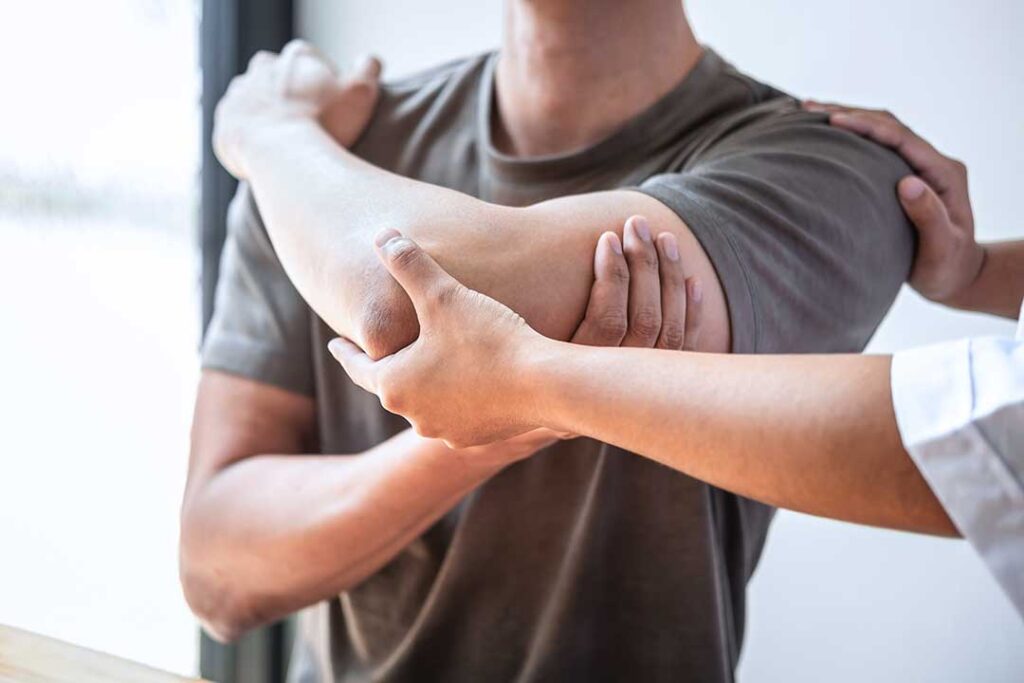
What Is the Graston Technique and How Does It Work?
The Graston Technique is a form of manual therapy that uses specialized stainless steel instruments to gently massage and scrape the skin over areas of pain and restriction. The goal is to detect and address adhesions or scar tissue within muscles, tendons, and ligaments.
Unlike many hands-only therapies, this technique involves a clinician gliding smooth-edged tools across the targeted area. Doing so can help break up fascia restrictions and scar tissue that may form after injuries, repetitive use, or surgery. The process stimulates blood flow and supports natural healing, potentially improving range of motion and decreasing chronic pain.
Why Would Someone in Kent, NY Consider the Graston Technique?
The Graston Technique is often chosen by area residents dealing with chronic or acute soft tissue conditions. People who regularly shovel snow in winter or maintain their homes and gardens through Kent’s changing seasons often experience overuse injuries, strains, or stiffness.
Common scenarios where local households benefit include:
- Muscle tightness from yard work, snow removal, or home projects
- Tendon pain following repetitive activities like fishing, golf, or racquet sports
- Stiffness after slips, falls, or minor home accidents
The therapy may also be used alongside rehabilitation for post-surgical recovery or to manage scar tissue from past injuries common in weekly routines around the community.
What Conditions Are Typically Treated?
The Graston Technique is widely applied to soft tissue injuries and conditions such as:
- Tendinitis (including tennis elbow and Achilles tendinitis)
- Plantar fasciitis
- Carpal tunnel syndrome
- IT band syndrome
- Scar tissue or fibrosis after injury or surgery
- Back, neck, or shoulder pain from muscle overuse
Residents sometimes seek it as part of a broader treatment plan when traditional stretching and exercise have not provided relief.
How Is a Graston Technique Session Performed?
A typical session involves a few key steps:
1. The provider assesses the affected area, looking for changes in texture, tenderness, or mobility.
2. Using the metal instruments, they glide over the skin with slow, controlled movements. Different shapes of tools are used for various body areas.
3. The scraping action is usually gentle but firm, aiming to locate and treat areas of tissue irregularity. Some short-term redness or mild bruising is common.
4. Sessions often end with stretching or movement exercises to support the benefits.
Length and intensity can vary depending on comfort and specific goals. Most community members report a deep, targeted feeling during treatment with some improvement in mobility or symptom relief over several visits.
Is the Graston Technique Safe? Are There Risks or Side Effects?
For many healthy adults, the Graston Technique is considered safe when performed by a trained professional. It is non-invasive and does not involve drugs or injections.
Residents should be aware of potential, generally mild, side effects:
- Redness, mild tenderness, or small bruises at the treated area
- Temporary soreness after sessions
Contraindications include open wounds, active infections, blood clotting disorders, or certain vascular conditions. People with these health factors should discuss their situation with a healthcare provider before considering this therapy.
What Does It Feel Like? Addressing Common Misconceptions
Some expect the technique to always be painful due to the appearance of the metal tools. In practice, most people report only mild discomfort, describing the sensation as a mix between a deep massage and a stretching feeling. Communication with the practitioner helps ensure pressure is adapted based on sensitivity.
Another misconception is that bruising is a sign of progress. While some temporary discoloration can happen, excessive bruising is not required or expected for effectiveness.
How Does It Fit into a Comprehensive Care Plan?
The Graston Technique is rarely used alone. Area residents might receive this therapy together with more traditional chiropractic adjustments, guided stretching or exercise, or self-care recommendations like heat or ice.
Households managing active lifestyles—whether that means seasonal gardening, snow shoveling, or long walks in local parks—often combine instrument-assisted therapy with ongoing movement and strength routines to minimize re-injury risk.
How Do Local Lifestyle or Seasonal Factors Influence This Treatment?
In Kent, periodic weather changes can affect how often people experience muscle tightness or sprains, especially during seasonal transitions that prompt yard work, snow shoveling, or renovations. These activities may increase the likelihood of soft tissue irritation, making practical prevention and treatment strategies important for year-round comfort and activity.
For residents who enjoy outdoor activities or weekend DIY tasks, gradual increases in physical intensity and regular stretching may help reduce the frequency of soft tissue complaints, sometimes making adjunctive therapies like the Graston Technique less frequently needed.
How Can Residents Decide If This Approach Is Right for Their Needs?
People considering instrument-assisted therapies can start by evaluating their symptoms:
- Is the pain or stiffness not resolving with simple rest or home remedies?
- Has an old injury left lingering discomfort or limited mobility?
- Do repetitive tasks or seasonal chores in the area cause recurring aches?
When self-care isn’t enough, consulting with a licensed healthcare provider familiar with soft tissue recovery is a reasonable next step to determine the potential benefits and appropriateness of this or comparable treatments.
