
 See Our Latest Article on HelloNation
Why does hydration matter for spinal health?
Adequate hydration supports the normal function of spinal discs, muscles, joints, connective tissues, and nerves. It does not prevent every cause of back or neck pain, but regular fluid intake helps the body maintain tissues that absorb movement and support the spine.
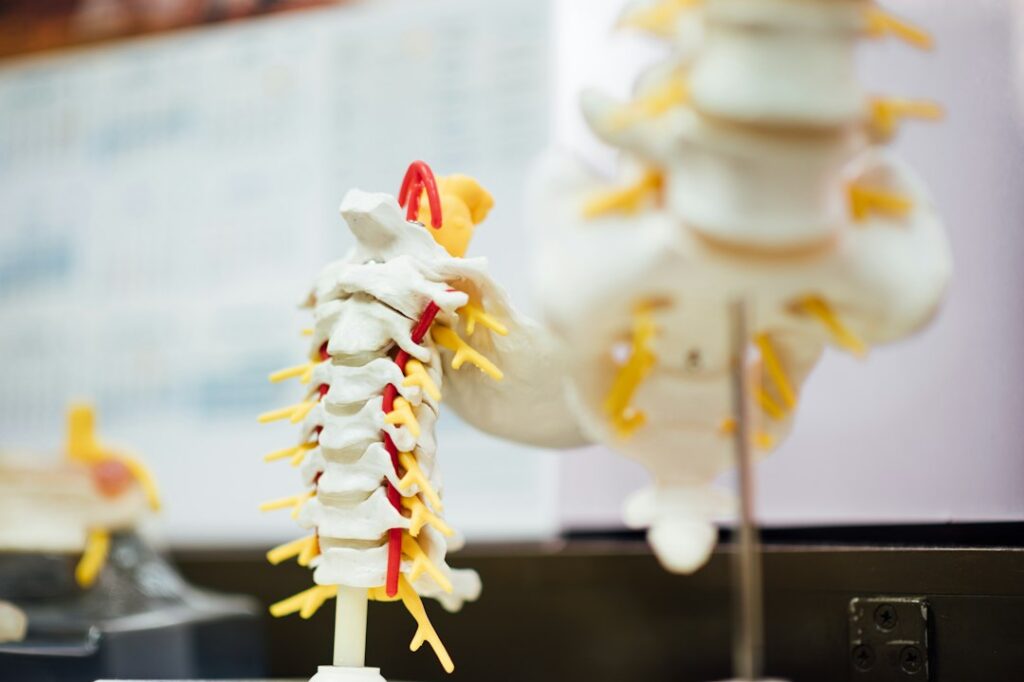
The spine is not a rigid stack of bones. Between many of the vertebrae are intervertebral discs that help distribute pressure during walking, lifting, bending, and sitting. These discs contain water-rich tissue, particularly in their inner center. Disc water content changes naturally throughout the day as the spine responds to body weight and movement.
Hydration also supports muscle function. The muscles of the abdomen, back, hips, and neck help stabilize the spine. Dehydration may contribute to fatigue, reduced exercise tolerance, headaches, dizziness, and muscle cramping, all of which can make normal movement more difficult.
Does drinking more water rebuild spinal discs?
No. Drinking extra water cannot reverse disc degeneration, repair a herniated disc, or cure chronic back pain. Hydration is one part of general spinal care, not a stand-alone treatment.
Disc health is influenced by age, genetics, physical demands, past injuries, smoking, body weight, posture, strength, sleep, and overall activity. A person may be well hydrated and still develop arthritis, a disc bulge, or back pain.
A more accurate way to view hydration is as basic support for the tissues and systems that allow the spine to function. Good fluid intake may help the body perform normally, but it should not be presented as a cure for structural spinal problems.
How do spinal discs use water?
Intervertebral discs change shape and pressure in response to loading. During the day, standing and sitting place repeated force through the spine. The discs gradually lose some water under sustained compression, then recover some fluid during periods of rest, especially when lying down.
This process is normal. It does not mean the spine is “drying out” in a harmful way every afternoon. It does show why movement, rest, and varied positions matter. Remaining in one position for hours may be more problematic than simply failing to drink a certain number of glasses of water.
Hydration helps maintain the body’s fluid balance, but fluid reaches spinal tissues through complex biological processes. Water is not delivered directly to a disc in the same way that fuel is added to a tank. For this reason, claims that a particular drink can “hydrate” or “reinflate” discs should be treated cautiously.
How much water should adults drink?
There is no single amount that fits every person. Fluid needs vary with body size, age, diet, pregnancy, medications, activity level, illness, and temperature.
A practical approach is to drink regularly throughout the day and increase intake during conditions that cause greater fluid loss. Thirst, urine color, sweating, and activity level can provide useful clues, although thirst may be less reliable during strenuous activity or in older adults.
Water is often sufficient for ordinary daily activities. Fluids also come from foods such as fruit, vegetables, soups, yogurt, and other water-containing meals. Tea and coffee can contribute to fluid intake for most people when consumed moderately.
People with kidney disease, heart failure, certain endocrine conditions, or prescribed fluid restrictions should follow individualized medical guidance rather than forcing extra water.
What changes during Kent, NY weather?
Seasonal conditions can affect hydration needs even when the weather does not feel extreme. Warm, humid summer days increase sweat loss during yard work, walking, cycling, outdoor recreation, and home maintenance. Winter can also reduce awareness of thirst, while heated indoor air may contribute to dry mouth and increased fluid loss through breathing.
Residents working outdoors or spending long periods in unair-conditioned spaces should plan fluids before becoming very thirsty. Helpful habits include:
- Drink water with meals and at regular intervals during the day.
- Carry a refillable bottle during outdoor activities.
- Take breaks in a cooler or shaded area during hot weather.
- Replace wet clothing after heavy sweating.
- Eat regular meals when sweating for extended periods.
- Limit alcohol during heat exposure because it can worsen fluid loss and impair judgment.

For routine activity, plain water is generally appropriate. During several hours of heavy sweating, electrolytes may be useful, but many commercial sports drinks also contain substantial sugar. Drinking excessive amounts of plain water can be dangerous because it may lower blood sodium, particularly during prolonged endurance activity.
Can dehydration cause back pain or muscle tightness?
Dehydration can contribute to muscle fatigue, cramping, weakness, headache, and a general sense of discomfort. These effects may make existing neck or back symptoms feel worse. However, dehydration is not the only possible explanation for spinal pain.
Back discomfort may also result from muscle strain, prolonged sitting, lifting, arthritis, nerve irritation, injury, poor sleep, or other medical conditions. Drinking water should not delay evaluation of severe, persistent, or unusual symptoms.
Urgent medical attention is appropriate for back pain accompanied by new loss of bladder or bowel control, numbness around the groin, significant leg weakness, fever, unexplained weight loss, major trauma, or rapidly worsening neurological symptoms. Fainting, confusion, severe weakness, inability to keep fluids down, or signs of heat illness also require prompt medical care.
What daily habits support hydration and spinal function?
Hydration works best as part of a broader routine that includes regular movement and sensible workload management. Useful habits include changing position regularly, taking brief walking breaks, strengthening the trunk and hips gradually, and using safe lifting techniques.
A simple workday pattern might include drinking water with breakfast, keeping fluids available during prolonged sitting, taking a movement break every hour, and drinking before outdoor chores. During exercise, begin at a manageable pace and adjust for heat, humidity, clothing, and the length of the activity.
Sleep also matters. A well-rested person may move more efficiently and be less likely to rely on stiff, guarded movements. Hydration cannot compensate for repeated overexertion, poor recovery, or unsafe lifting.
The most useful message is straightforward: drink consistently, respond to heat and activity, avoid both severe dehydration and forced overhydration, and recognize that spinal health depends on many factors beyond fluid intake.
